
Who We Are
About fifteen of us, designing goggles and sport sunglasses in Shenzhen since 2020. We're here because an idea becomes a sample faster in Shenzhen than anywhere else we know.
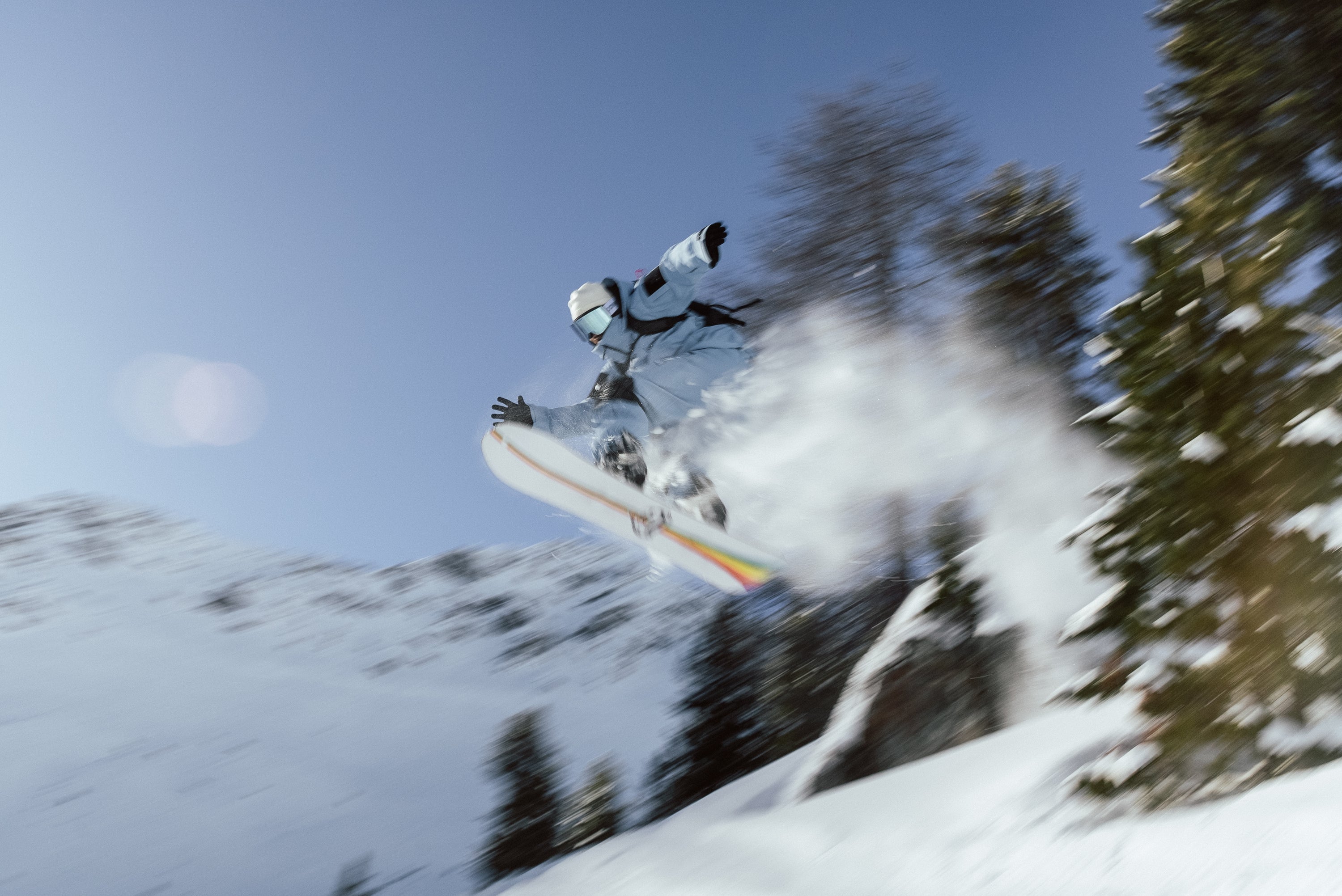
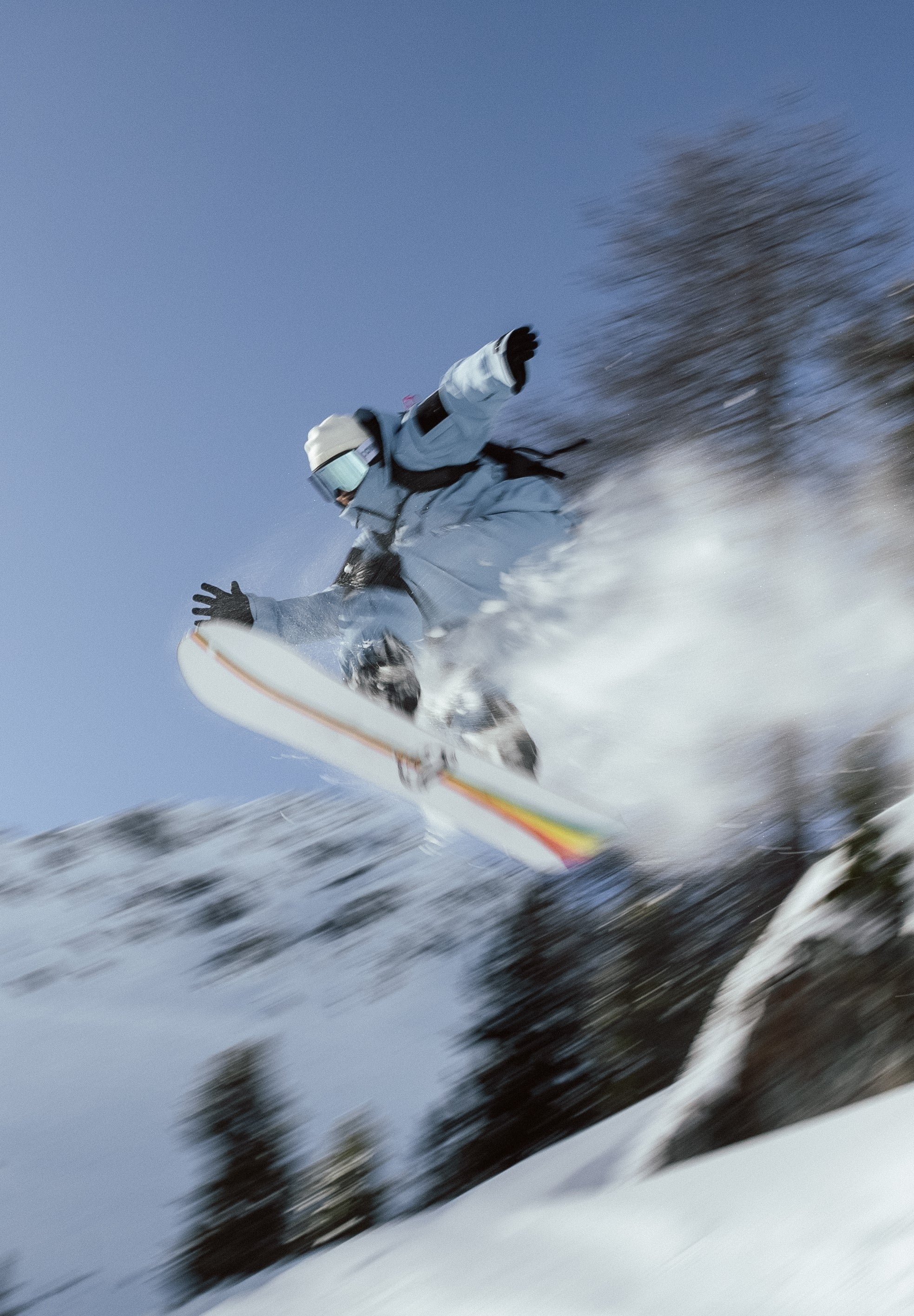
Most of what we make starts with something that went wrong outside. A lens that fogged on the lift. A tint that was wrong for the trees. Our design team in Shenzhen draws the fix.
Manufacturing partners in Shenzhen, Dongguan and Xiamen turn the drawings into samples, then into finished product. It's all made in China, and close enough that we can stand next to the line when a sample comes out wrong. The samples go out to be tested and come back with notes. Then we redraw them. Usually more than once.
Shenzhen is subtropical. So the goggles go north, mostly to Beidahu in Jilin, where -20°C to -30°C is common in midwinter, and to Chongli near Beijing, where the wind is the problem. Altay, in the far northwest, is for deep powder. The running glasses stay home, on hill trails that are humid most of the year. Quick test for fog. Other parts of China get a turn too.
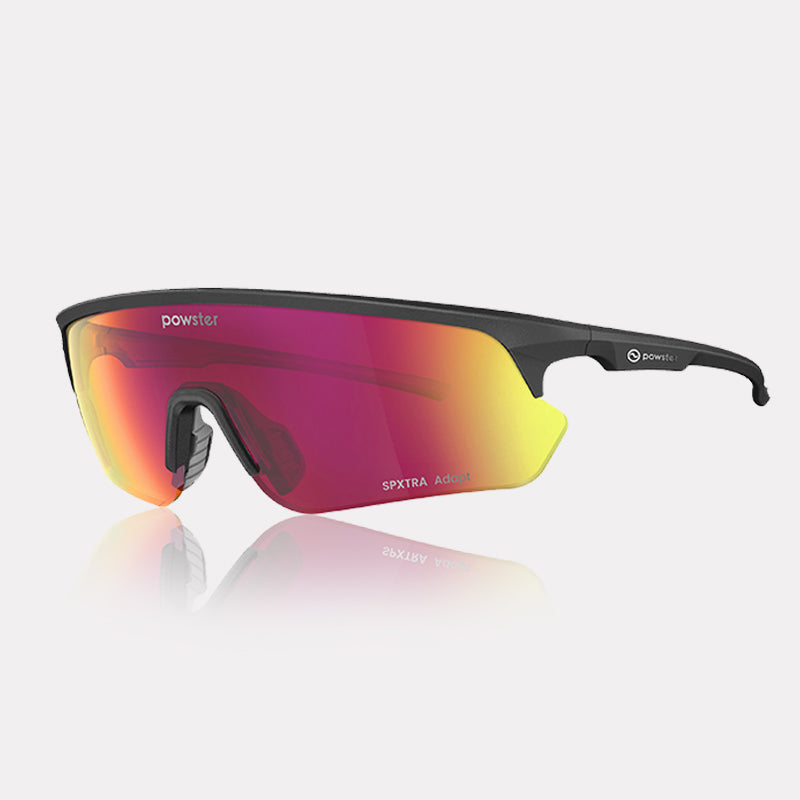
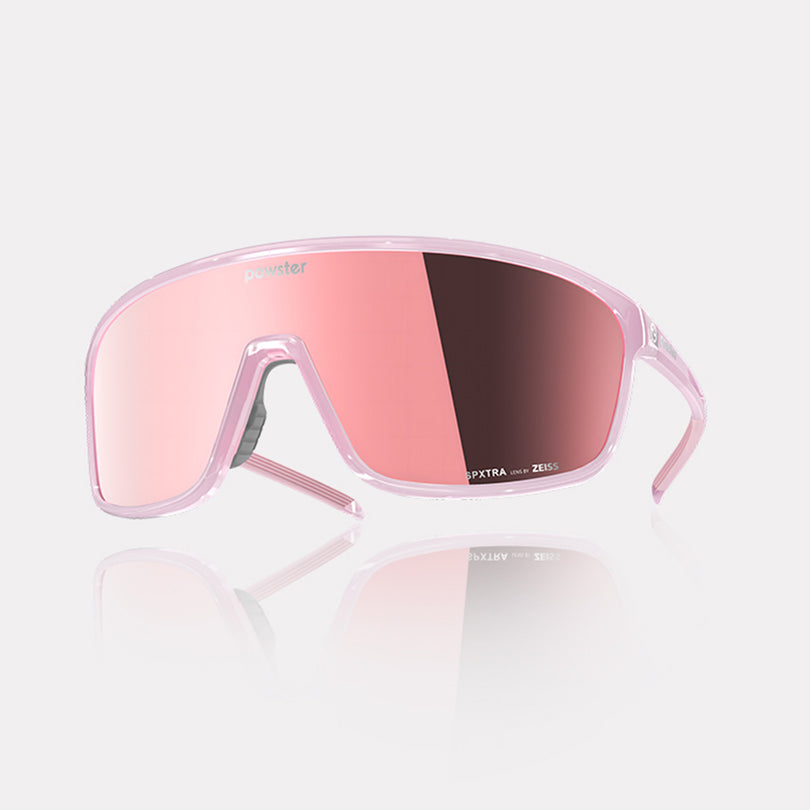
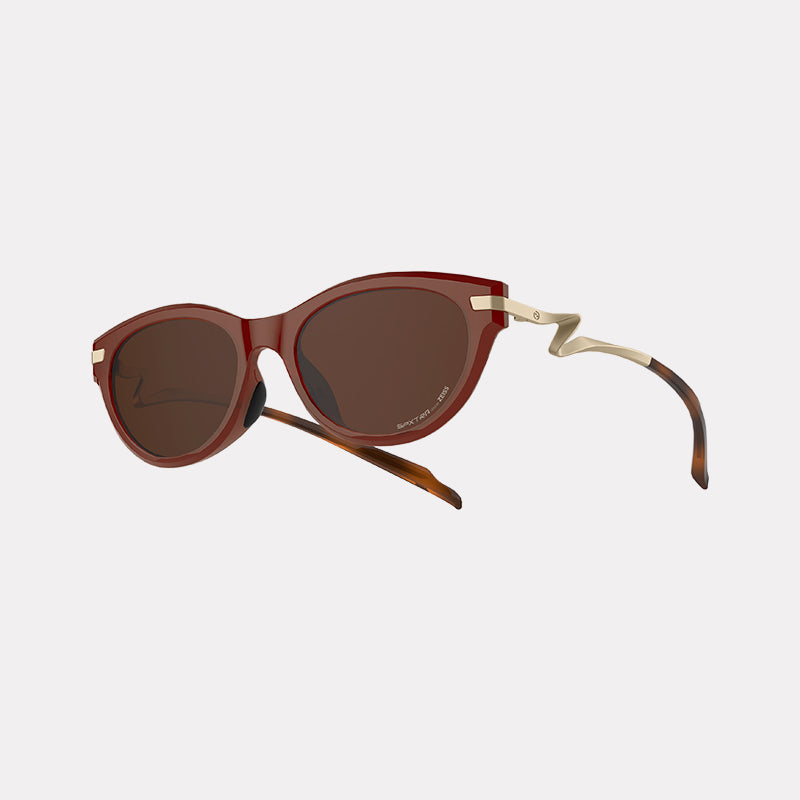
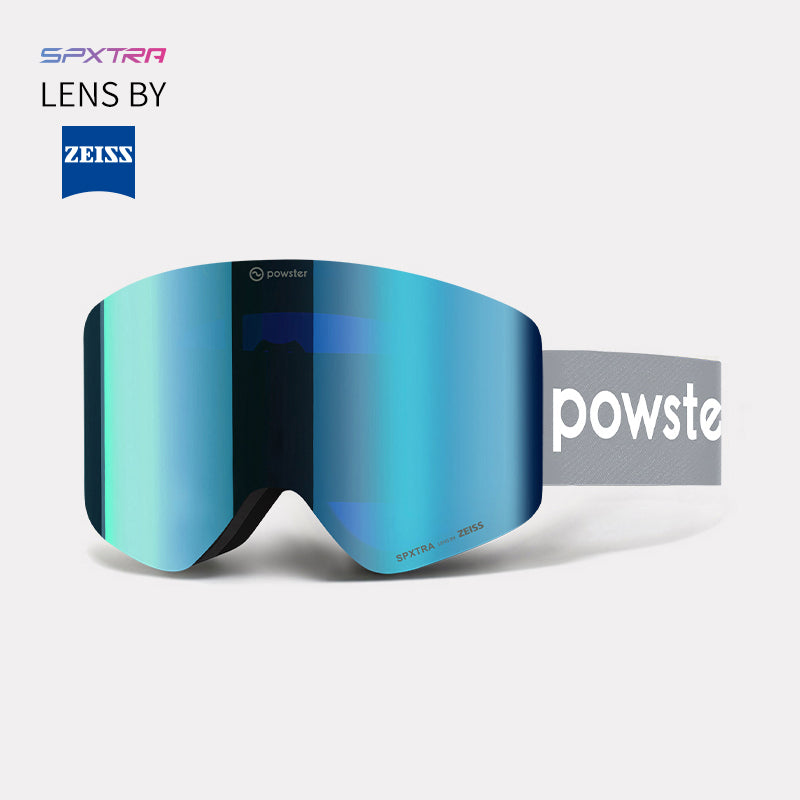
Some of what's come out of all this lately: Falco View, a goggle frame cut away at the bottom so you can see your ski tips. A flip-up front on Adamas that holds at any angle. A dial on the temple of Powster X instead of a phone app. Full-lens prescription in a wrapped sport shield.
Why we started
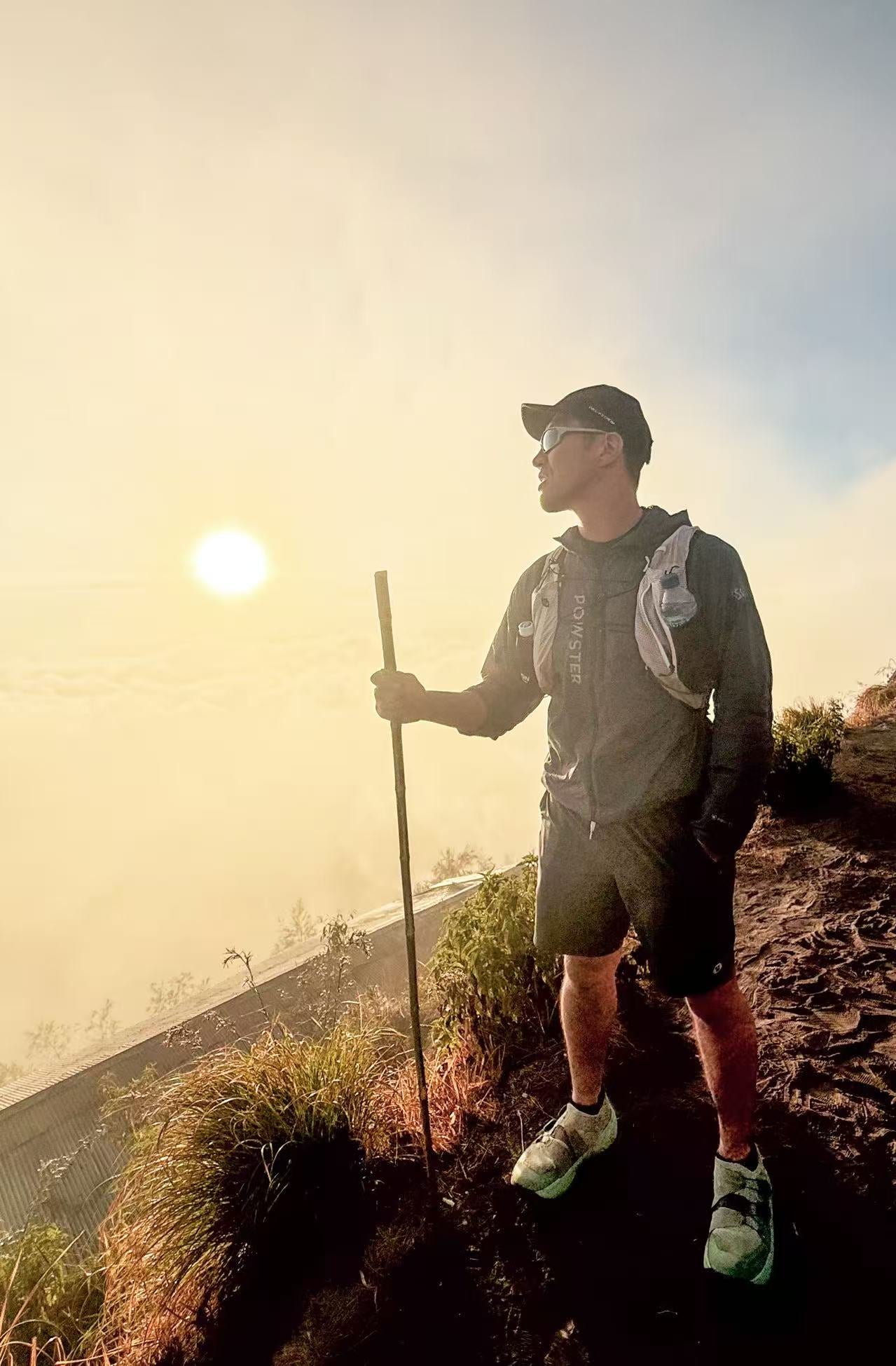
I've snowboarded for more than 25 years. Powster started in 2020 with goggles that fogged. They also slipped, pinched and gapped at the nose, because they'd been shaped around somebody else's face.
Shenzhen made that fixable. Our manufacturing partners are a drive or a train ride away, so we could sit with an engineer, change a curve and have a new sample on a face within 2 weeks.
Six years on we make sunglasses for running and cycling as well. My background is biochemistry but Shenzhen has plenty of electronics engineers, which is how a dial ended up on a pair of our sunglasses. The test hasn't changed. Does it stay clear? Does it still work when the light changes?
— Leon Wong, founder
What goes into a Powster goggle

Fog
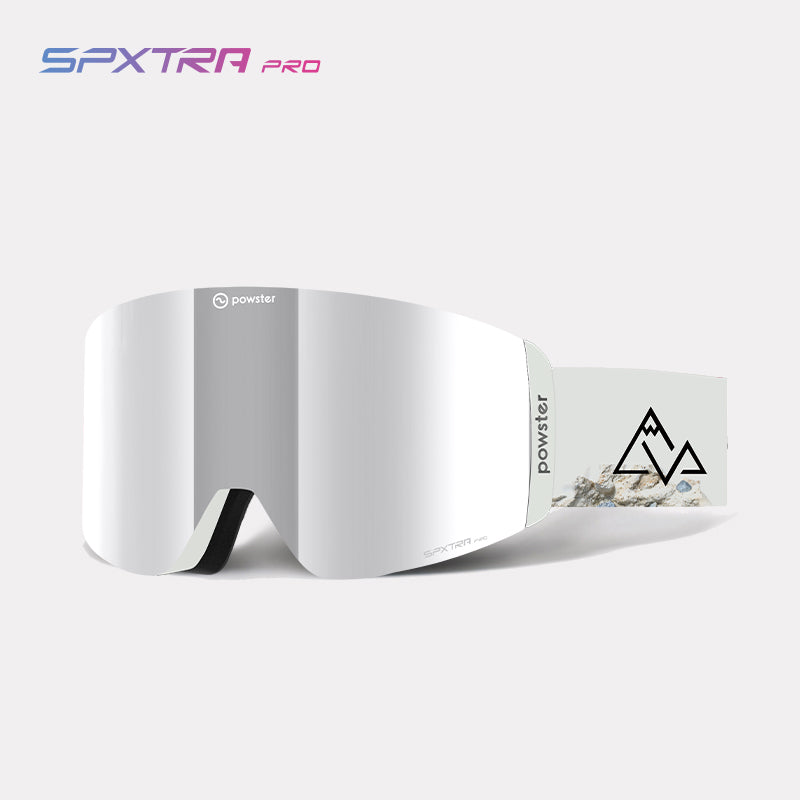
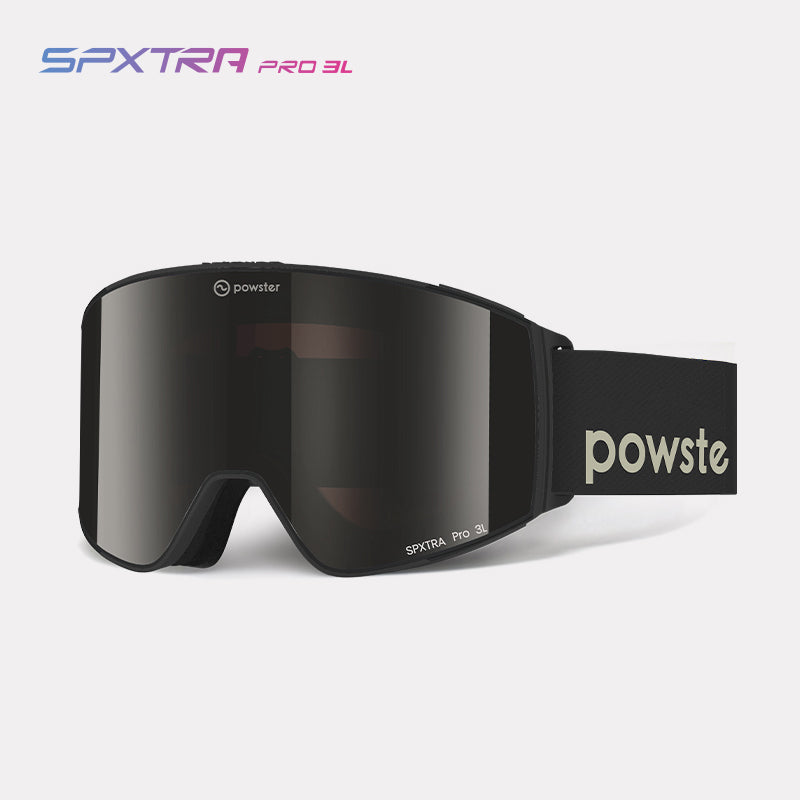
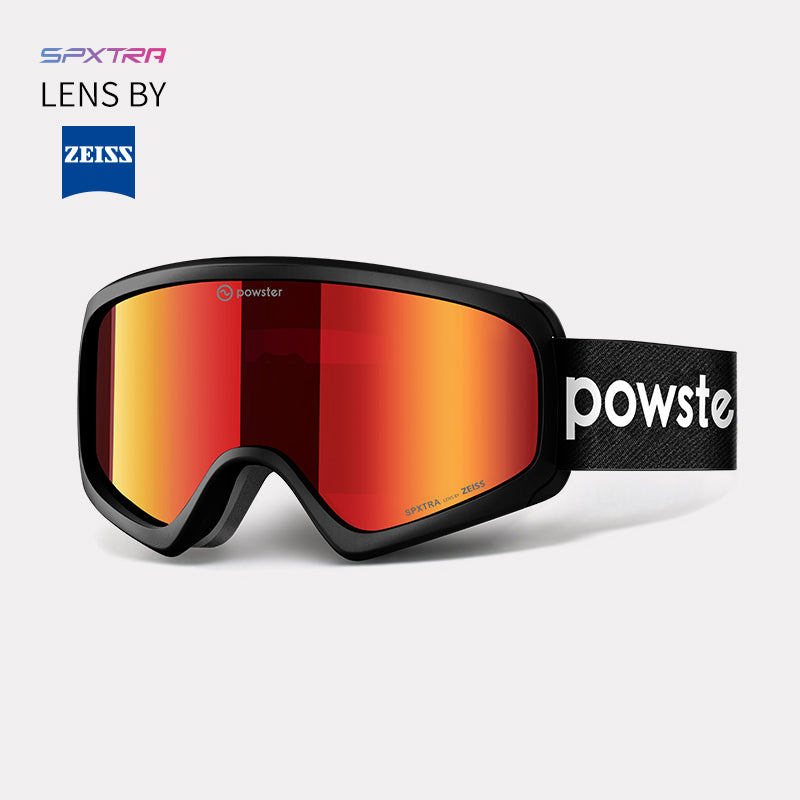
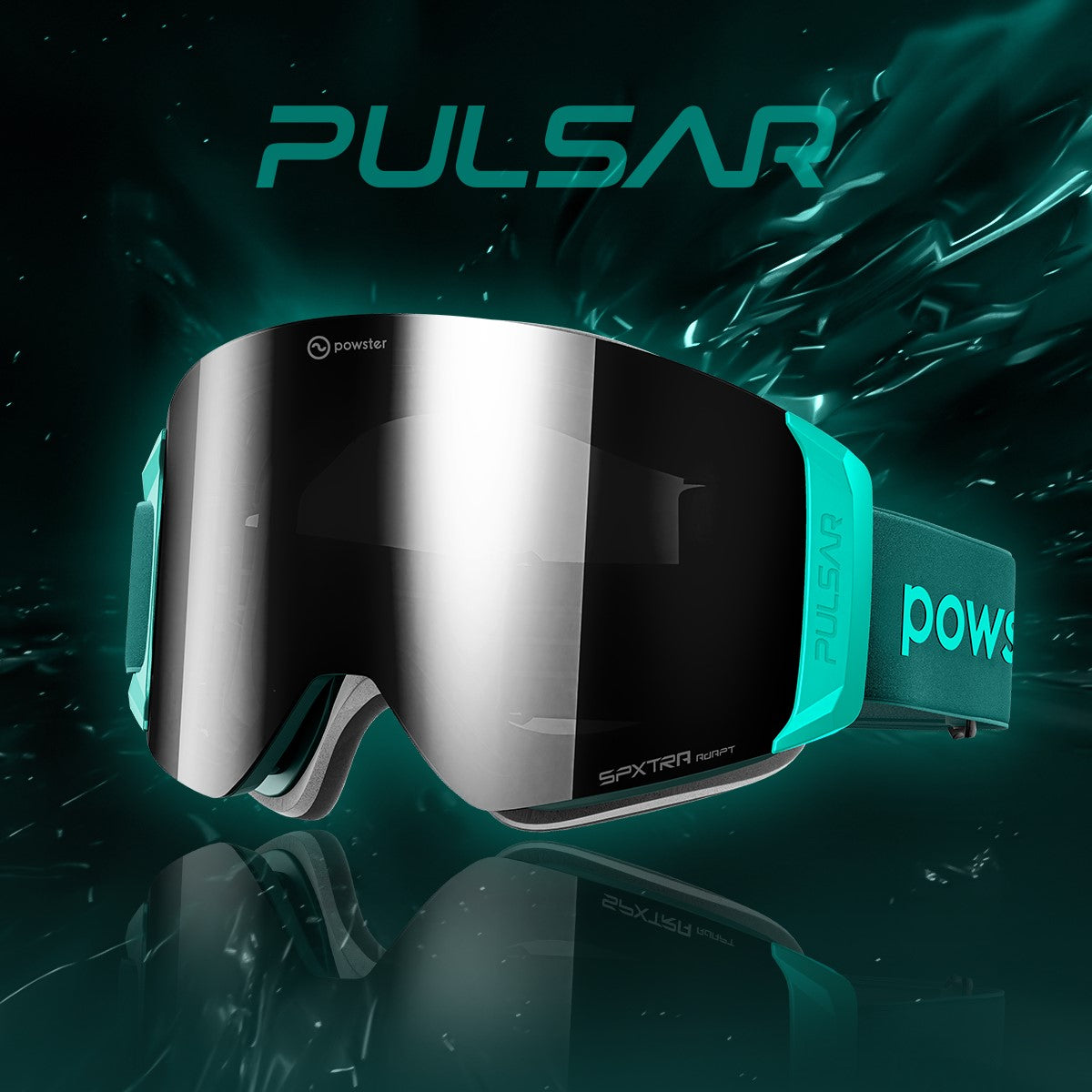
Where Powster started. SPXTRA Pro 3L is a three-layer lens. Fog can't form between the layers. The inside depends on airflow, so Adamas and Pulsar 4 have vents you open by hand.

Fit
A gap at the nose lets cold air in, and fog follows it. Our frames and face foam are shaped for low bridges and high ones, narrow faces and wide ones. Still, no frame fits every face.

SPXTRA lenses
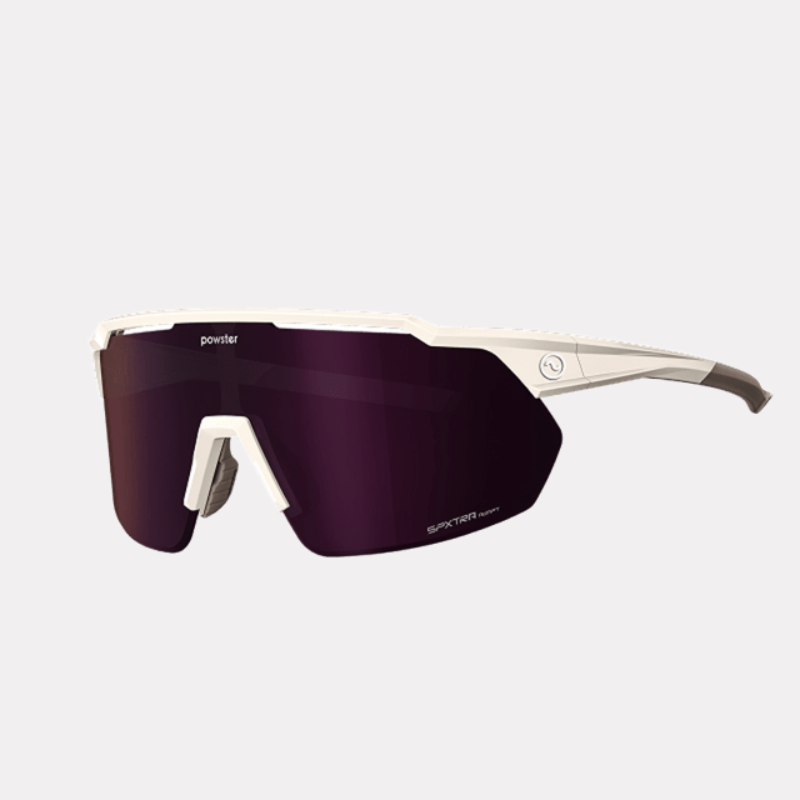
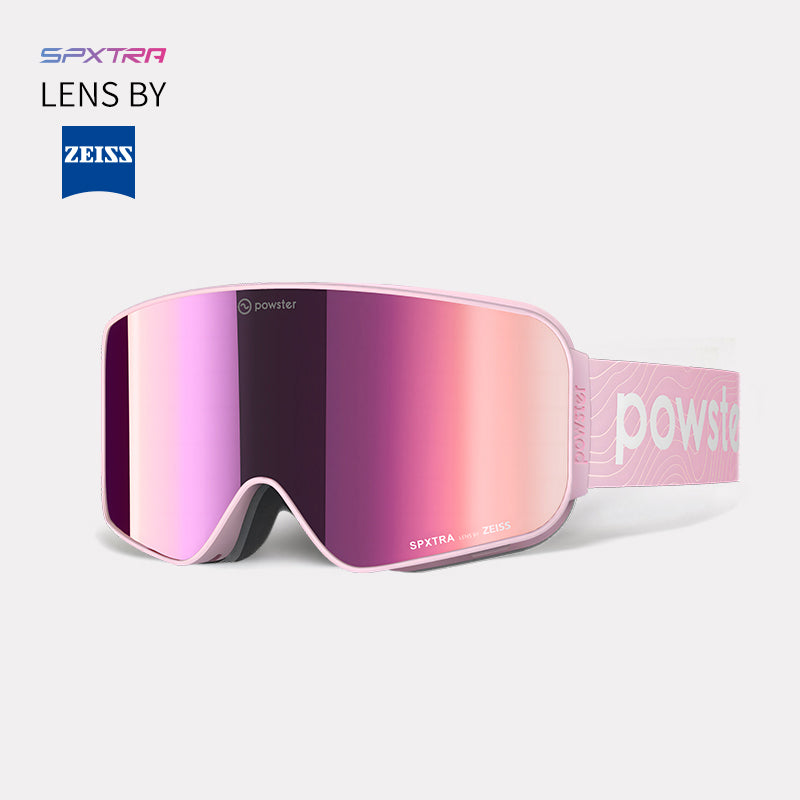
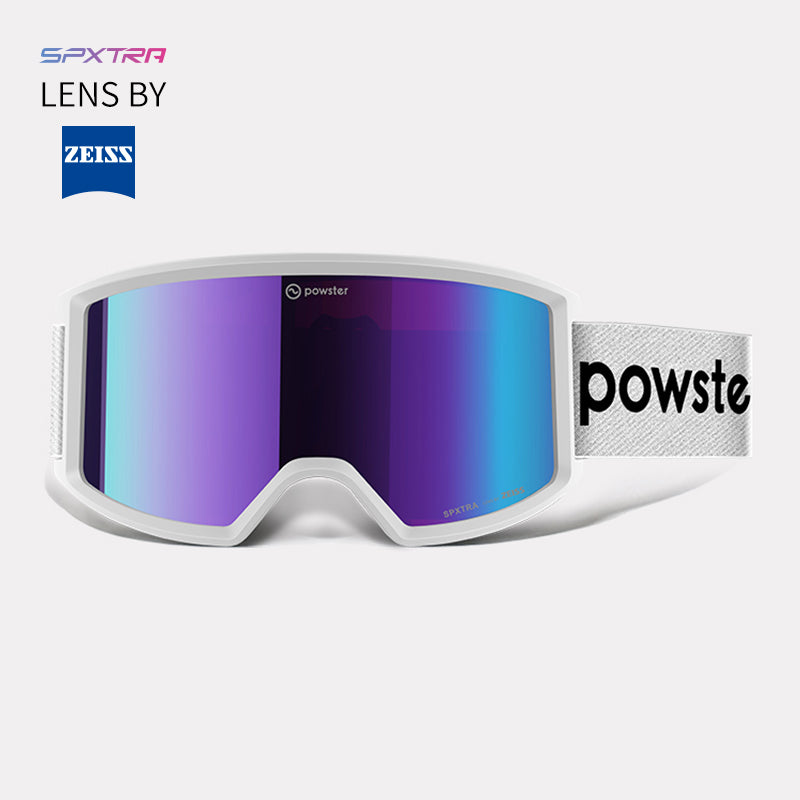
Tuned for contrast in flat light, so you see the bumps before your knees do. SPXTRA Adapt darkens with UV. In a proper whiteout, no lens finds the bumps for you. Slow down.

Falco View
New this season. The frame narrows at the bottom and reaches higher at the top, and the lens runs further down at the tips. You see your ski tips without dropping your chin. Named after the falcon. They look down for a living.
New for winter 26/27
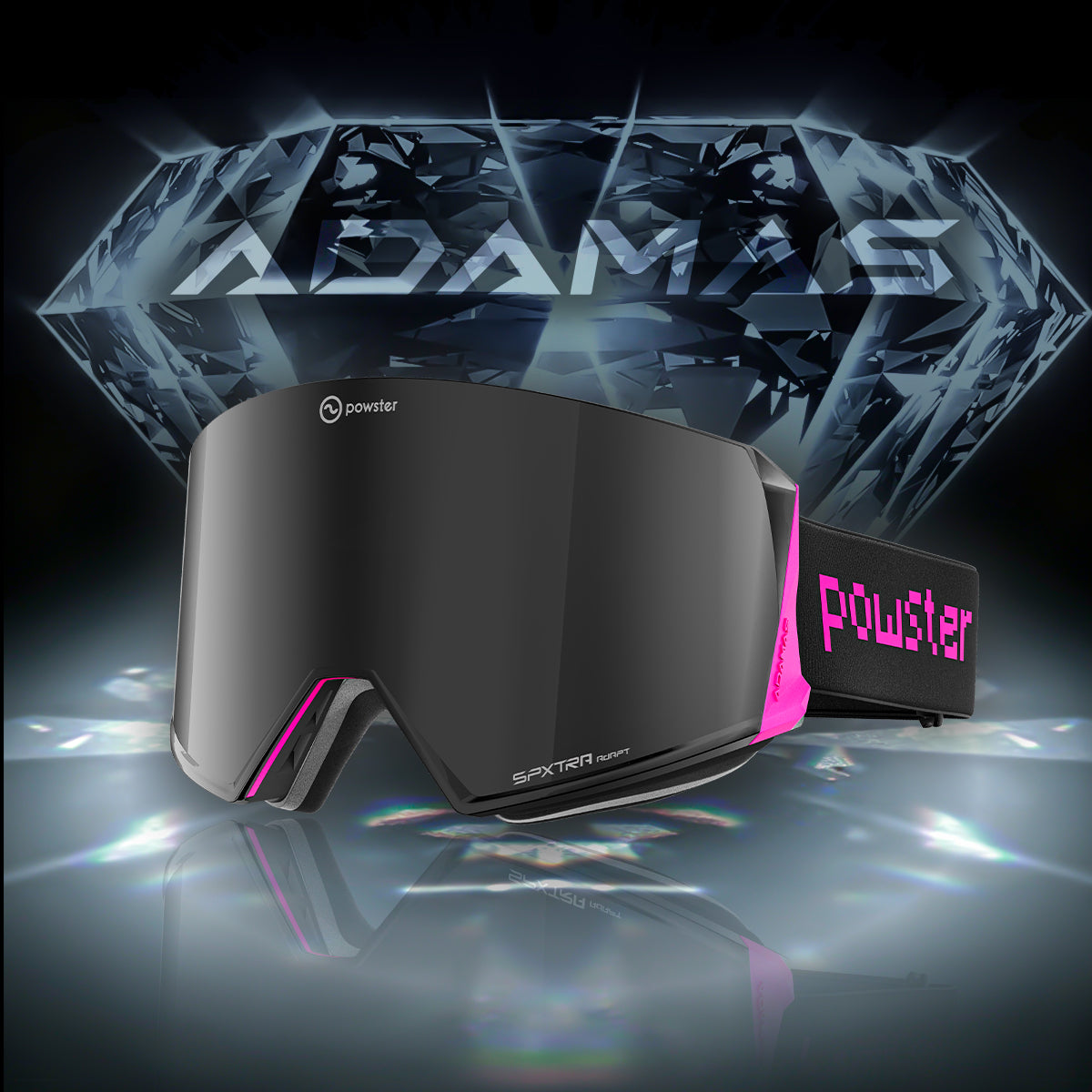
Adamas. The one we'd pick.
Falco View frame, SPXTRA Adapt photochromic lens. The front cover flips up and stays at whatever angle you leave it: open in the lift line, shut for the run. The top vent is magnetic and comes off. Magnesium-aluminium hinge, since that's the part you'll move most.
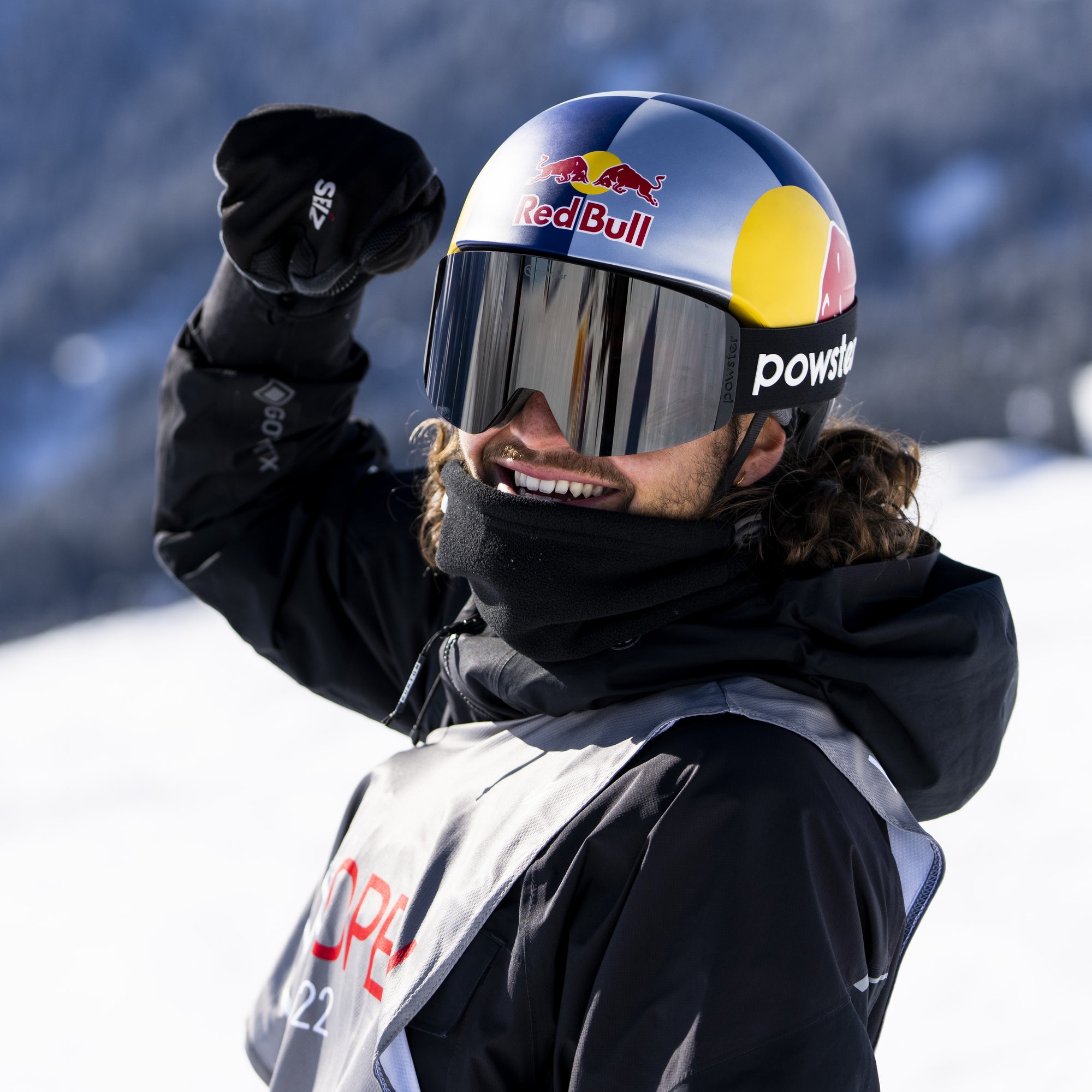
Who races in it

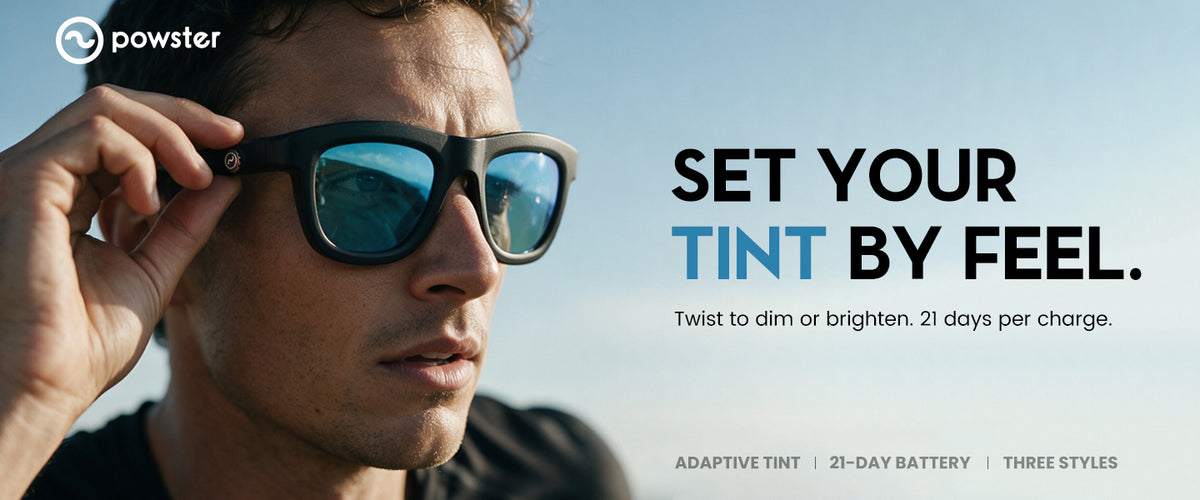
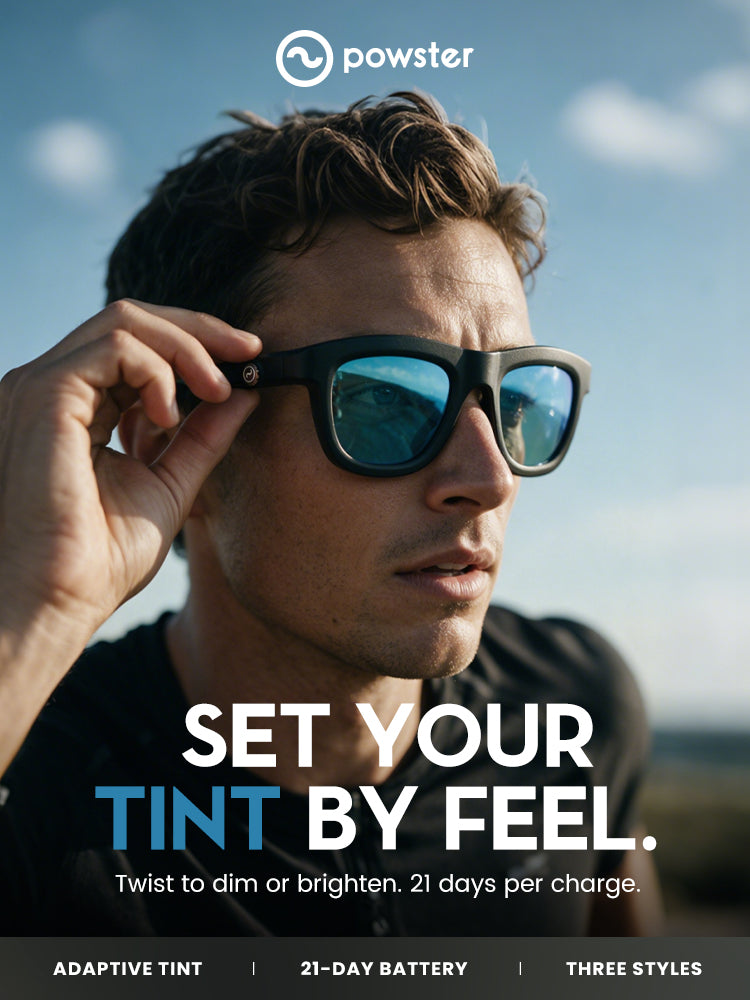
Next: a dial for the light
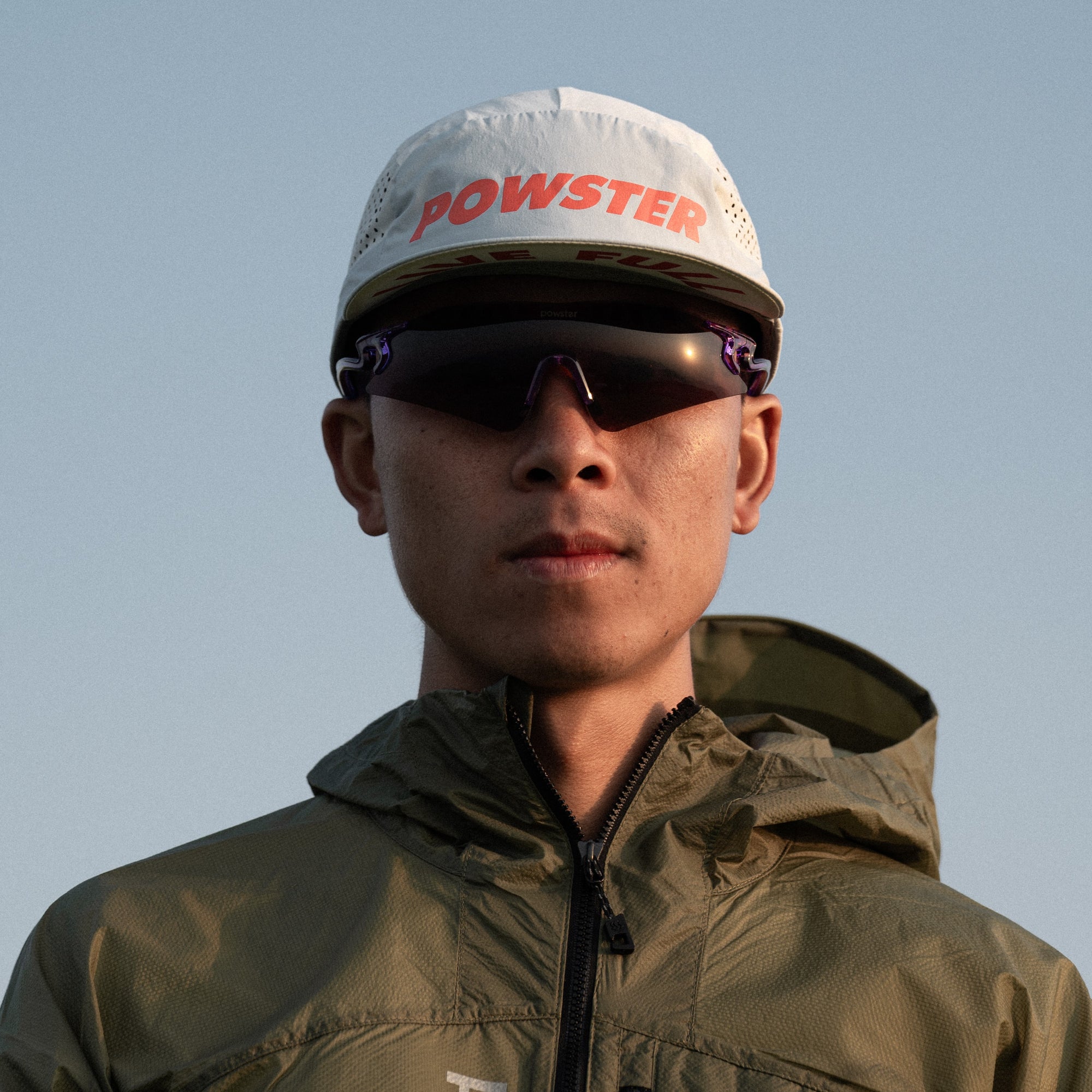
Photochromic lenses take around two minutes to catch up when you run out of the sun and into the trees. Our trail runners push theirs up onto their foreheads instead.
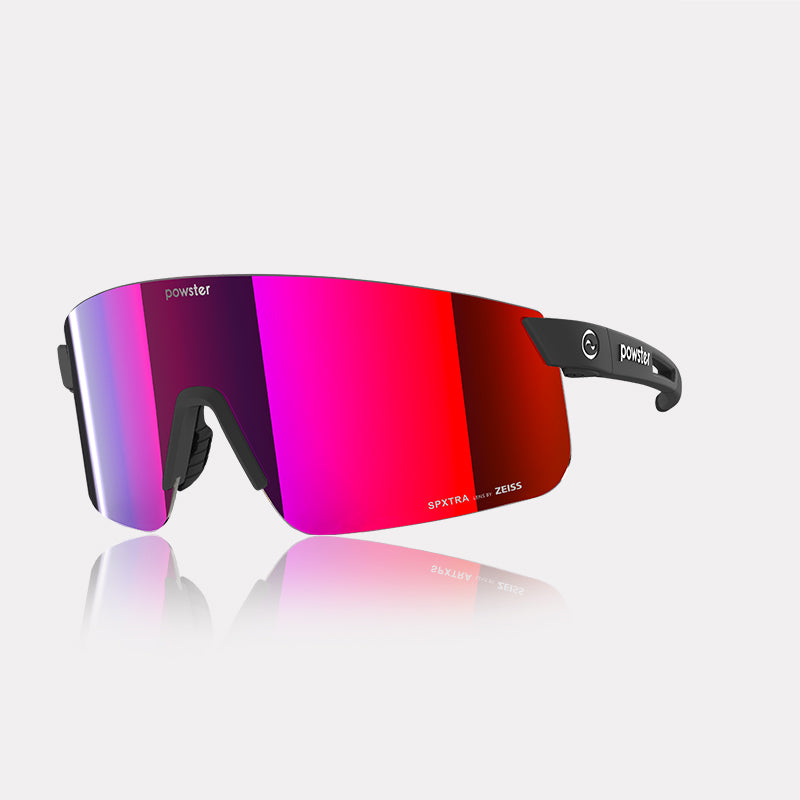
Powster X puts a dial on the temple. Twist it and a solid-state tint film goes from clear to dark in about a second, or stops anywhere in between. No app. 35 grams. 21 days on a charge, and if the battery runs out, the tint holds where you left it.
We think a lens should do what you tell it.
It isn't certified yet. Lab testing is planned for February and March 2027, and we estimate backers get theirs in August 2027. Two frames are confirmed: a wrapped sport frame and a 90s running frame.
Powster X launches on Kickstarter in January 2027. Follow the project and Kickstarter emails you the day it goes live.