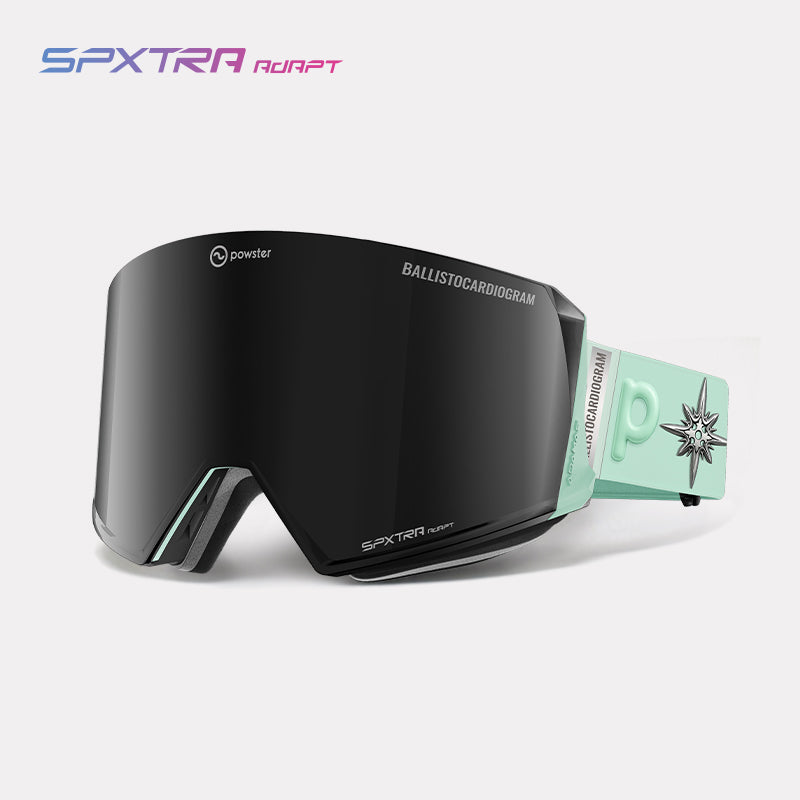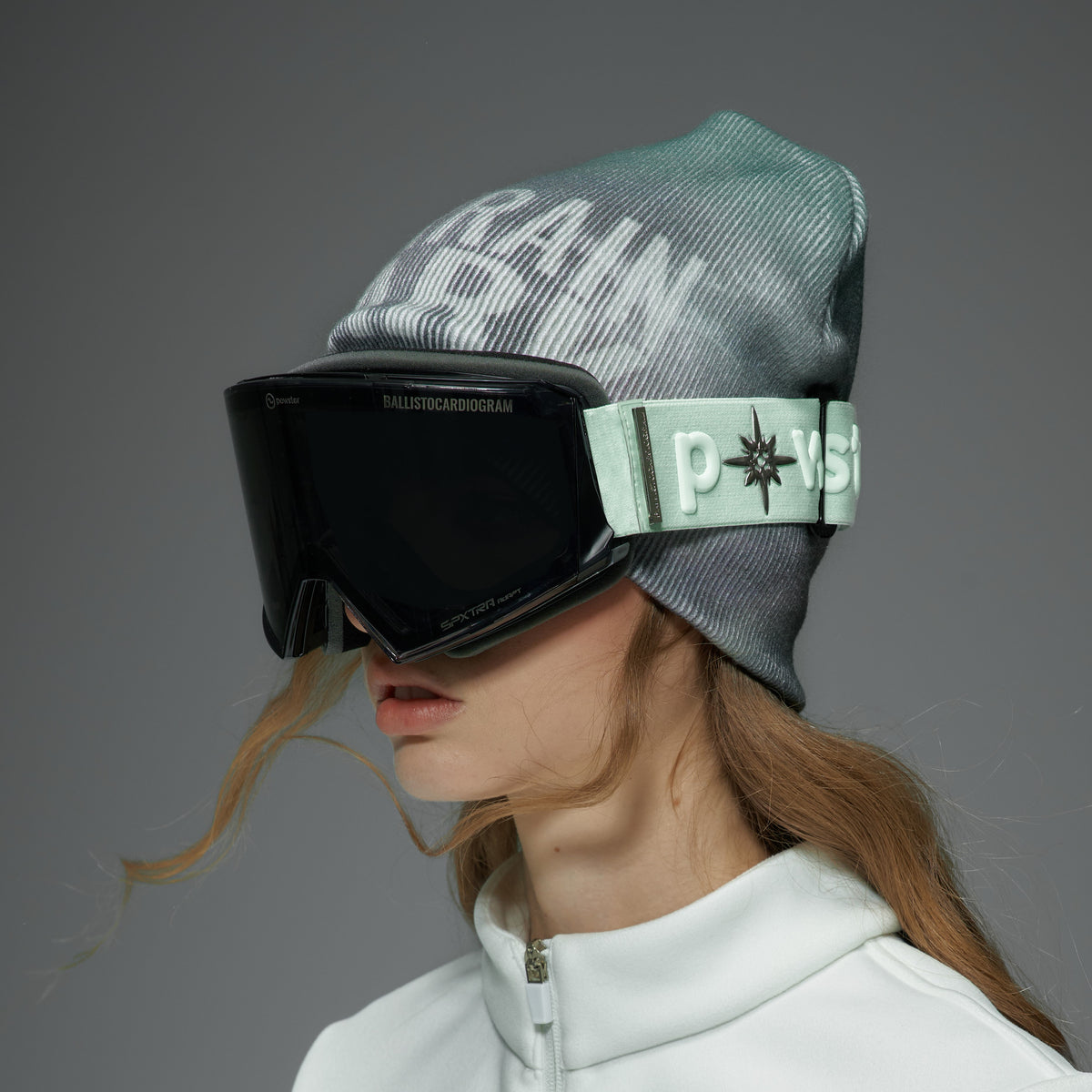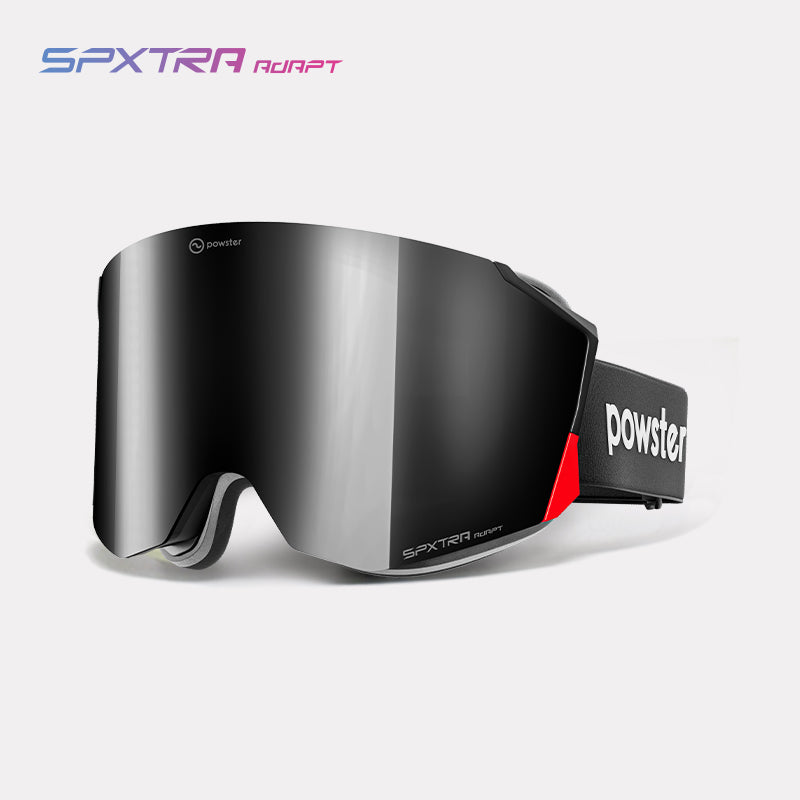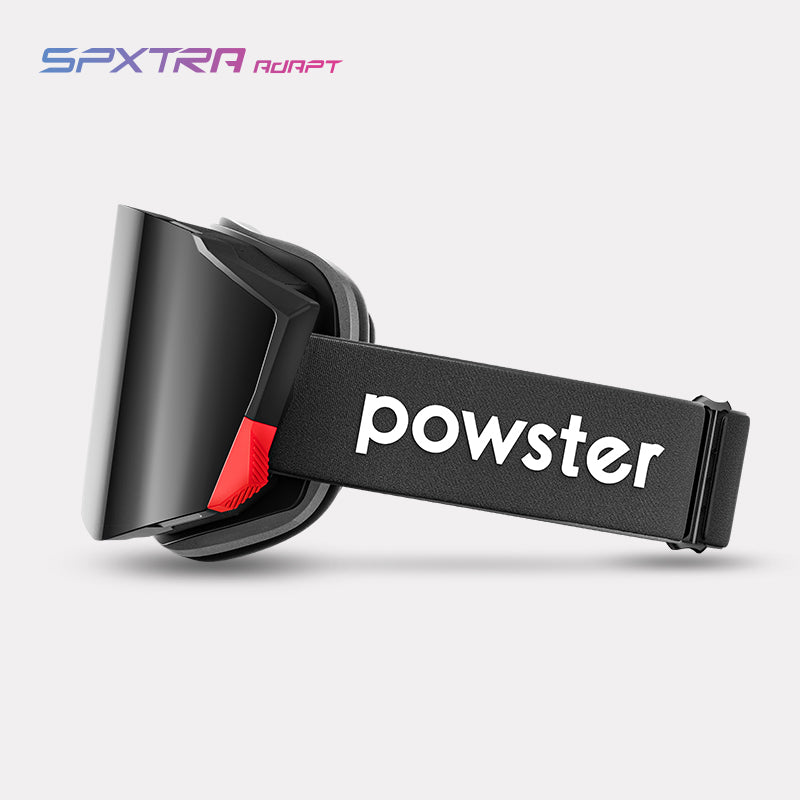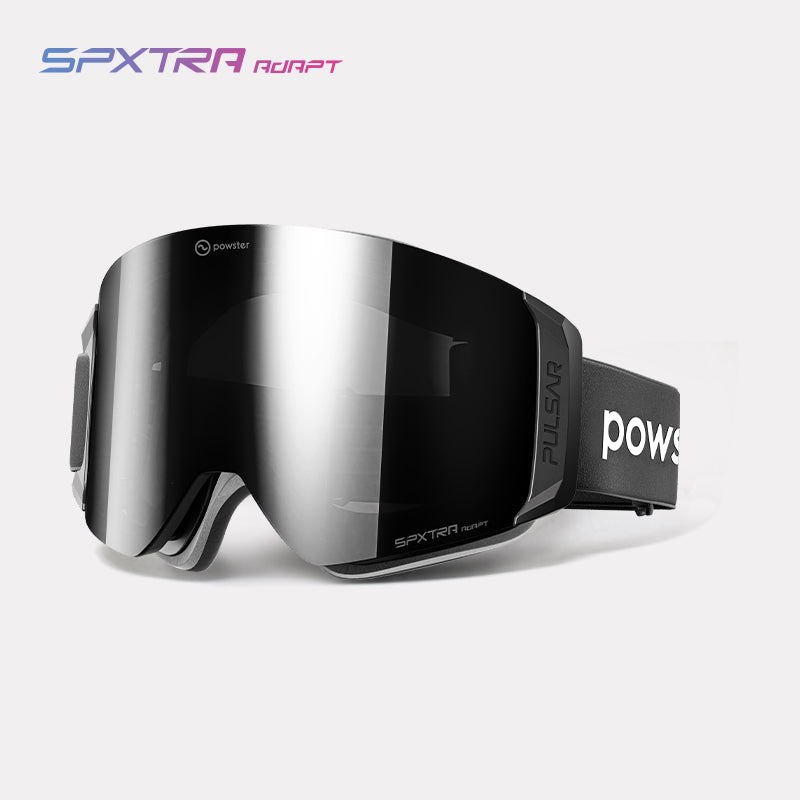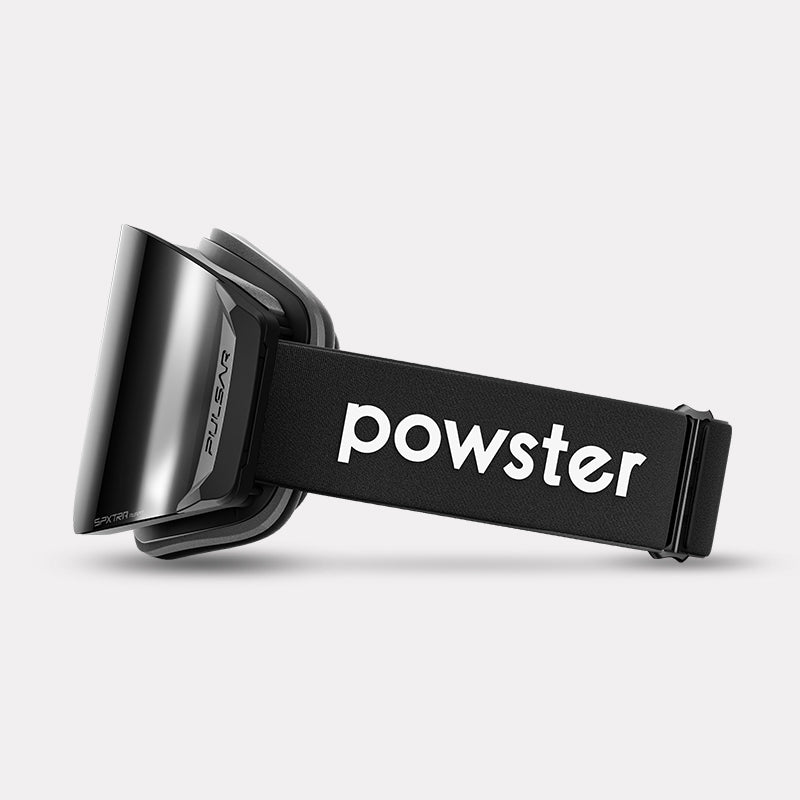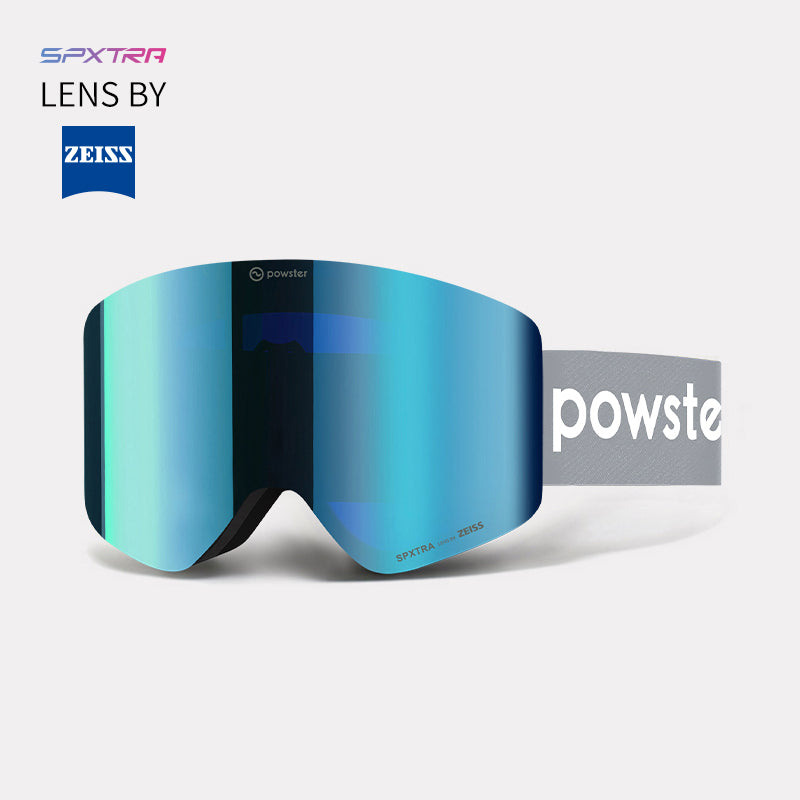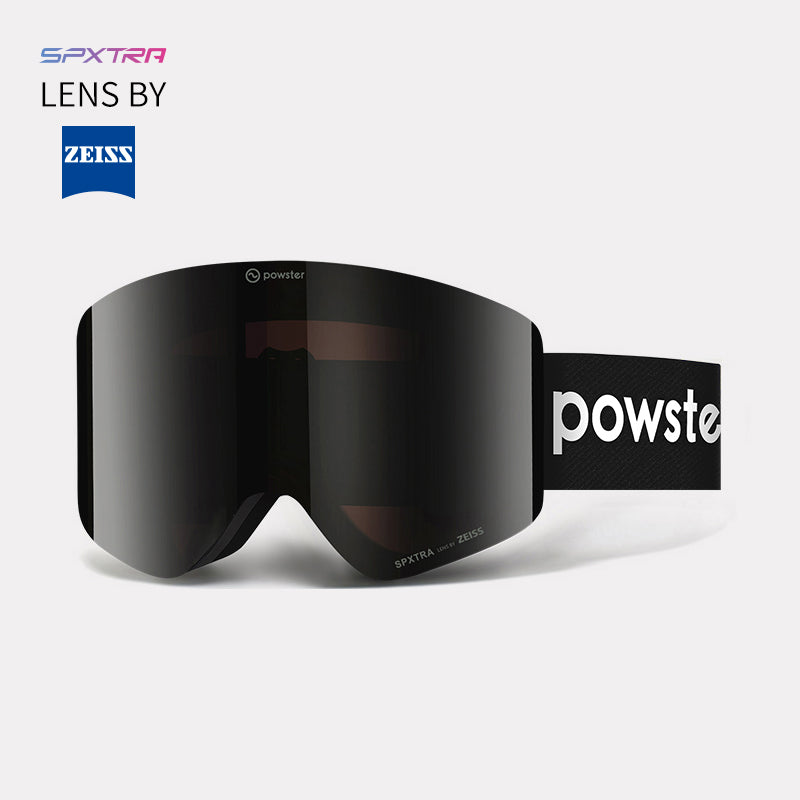


Choosing the right ski goggles is about more than just style. The right pair should fit comfortably, provide a clear field of view, and help you adapt to changing light and weather conditions on the mountain.
But with so many styles, lens technologies, and frame designs available, finding the right ski goggles can feel overwhelming.
Whether you're a beginner hitting the slopes for the first time or an experienced skier looking to upgrade your gear, this guide will help you understand what matters most when choosing ski goggles—and how to find the right pair for your next ride.
1. Start with the Right Fit: Why Head Circumference Matters
A good fit is the foundation of comfortable ski goggles.
Goggles that are too tight may create uncomfortable pressure around your face, while goggles that are too loose may leave gaps that allow cold air or snow to enter. The right fit should feel secure without putting unnecessary pressure on your face.
Your head circumference is a useful starting point when narrowing down your options.
As a general starting point, Powster's head-size recommendations are:
Small (S): 53–56 cm
Medium (M): 56–59 cm
Large (L): 59–62 cm
These ranges are intended to help you identify a suitable size, but head circumference alone cannot guarantee the perfect fit. Face shape, frame dimensions, helmet compatibility, and personal comfort also matter.
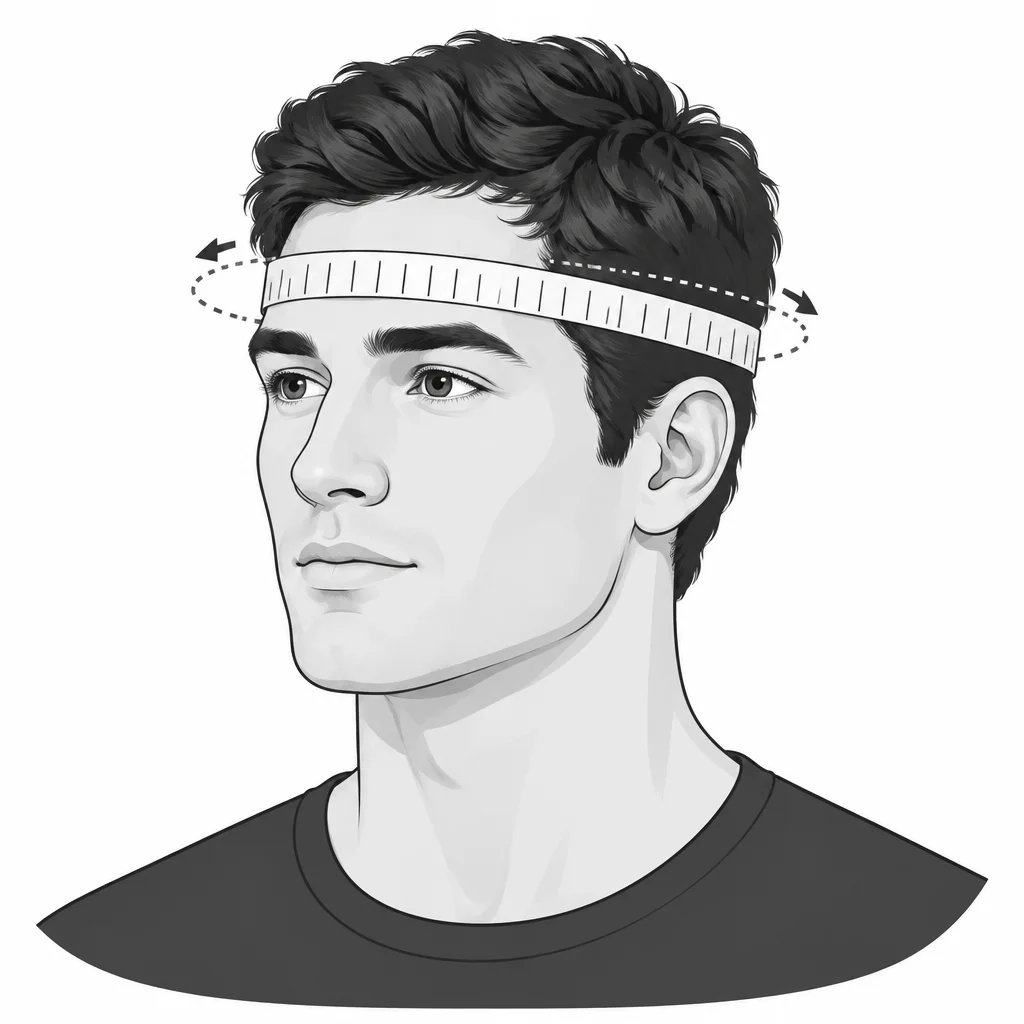
Tip: Measure around the widest part of your head, just above your eyebrows and ears. If your measurement falls near the boundary between two sizes, consider the frame's dimensions and how the goggles feel when worn with your ski helmet.
2. Match Your Goggles to Your Skiing Level
Your skiing experience can help determine which features you should prioritize.
Beginners: Focus on Comfort and Confidence
If you're new to skiing, look for goggles that fit securely, provide a comfortable field of view, and are easy to use.
You don't necessarily need the most complicated setup. A comfortable fit and clear vision can make your first days on the mountain more enjoyable.
Intermediate Skiers: Look for Versatility
As you become more confident, you may encounter a wider variety of terrain and weather conditions.
A versatile pair of ski goggles can help you prepare for changing light, different slopes, and longer days on the mountain.
Advanced Skiers: Prioritize Performance
Experienced skiers may place greater emphasis on peripheral vision, lens performance, ventilation, and specialized frame designs.
Think about the conditions you ski in most often and which features would make the biggest difference to your experience.
3. Choose the Features That Matter Most to You
Not every skier needs the same features. Instead of choosing goggles based on specifications alone, start by identifying what matters most to your riding style.
Flip-Up Design: Added Flexibility on the Mountain

Prefer a design that offers more flexibility? Flip-up ski goggles allow you to lift the lens or cover when the design permits, making it easier to adjust your setup during breaks or changing situations.
Powster's Adamas features the Elytron Flip mechanism, designed for an adjustable flip-up experience.
Expansive Field of View: See More Around You

A wider field of view can help you maintain awareness of the terrain around you.
This can be particularly appealing to skiers who value a more open visual experience, whether navigating busy slopes or enjoying wide-open mountain terrain.
Larger Fit: More Room and Coverage

If you have a larger head or prefer a more spacious fit, look for goggles designed with a larger frame and suitable coverage.
Remember that a larger frame is not automatically the best choice for everyone. Helmet compatibility and a comfortable facial seal are still essential.
All-Round Performance: A Balanced Choice

If you want a dependable pair for a variety of skiing situations, consider a balanced combination of fit, field of view, lens performance, and comfort.
Think about the features you will use most often rather than paying for features you may rarely need.
4. Consider the Conditions You Usually Ski In
Mountain weather can change quickly. Bright sunshine, cloudy skies, snowfall, and flat-light conditions can all affect how clearly you perceive the terrain.
When choosing ski goggles, consider where and when you ski most often.
Bright and Sunny Conditions
Strong sunlight and reflected light from snow can make eye protection especially important.
Look for ski goggles with suitable UV protection and a lens tint designed for bright conditions. Always check the manufacturer's stated lens specifications rather than relying on lens color alone.
Cloudy Days and Flat Light
When the light is diffuse, shadows and changes in terrain can become harder to distinguish.
Lens tint and contrast-enhancing technologies may help improve the visibility of terrain features. A lens designed for lower-light conditions may be useful if you frequently ski on overcast days.
Changing Weather Conditions
If you often experience alternating sunshine, cloud cover, and snowfall, versatility may be a priority.
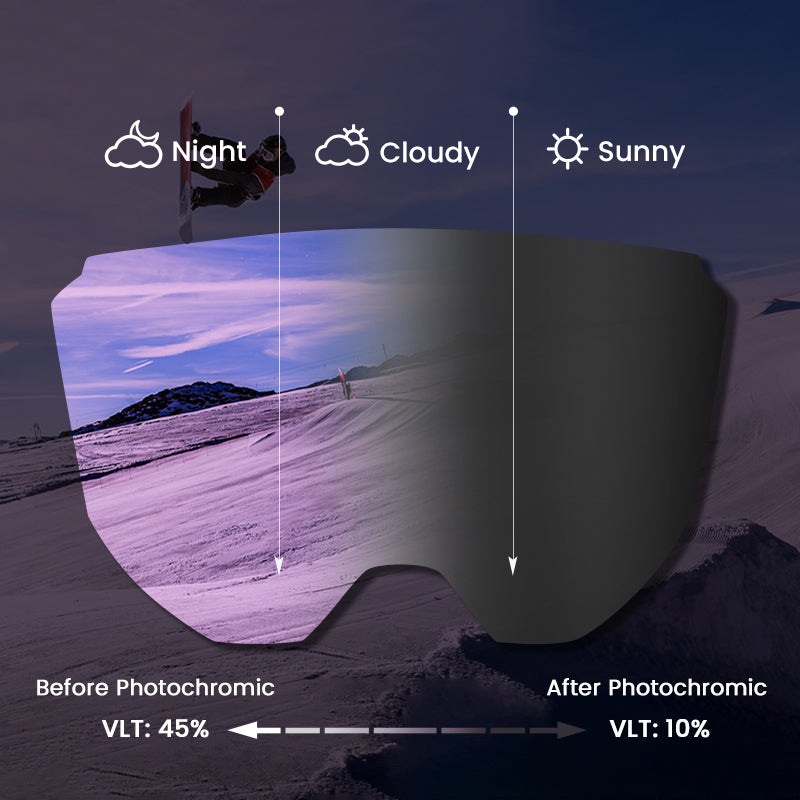
Photochromic lenses adjust their tint in response to changing light conditions, potentially reducing the need to switch between multiple lenses. Their performance depends on the specific lens technology and environmental conditions.
Before choosing a lens, check its stated visible light transmission (VLT) range to understand the conditions it is designed to handle.
5. Don't Forget Helmet Compatibility and Comfort
Even technically advanced ski goggles may not be right for you if they don't fit comfortably.
Before making your decision, consider these essentials:
- Helmet compatibility: Your goggles should sit comfortably with your helmet without leaving a significant gap between the two.
- Facial fit: The frame and foam should sit securely against your face without uncomfortable pressure.
- Ventilation: Appropriate ventilation helps manage moisture and reduce fogging.
- Lens performance: Choose a lens suited to the light conditions you encounter most often.
- Ease of use: Consider whether you prefer a straightforward setup or specialized features such as a flip-up design.
Whenever possible, try your goggles with your ski helmet before heading to the mountain.
6. Find Your Perfect Pair with Powster Goggles Finder
Still not sure which ski goggles are right for you?
You don't have to compare every model and specification on your own.
Powster Goggles Finder helps you narrow down your options based on four key factors:
- Head circumference: Find options suited to your head-size range.
- Skiing level: Consider recommendations based on your experience.
- Preferred features: Choose what matters most, from a flip-up design and an expansive field of view to a larger fit or all-round performance.
- Typical skiing conditions: Tell us about the conditions you usually encounter on the mountain.
Based on your answers, Goggles Finder helps you discover ski goggles that align with your preferences.
Whether you're preparing for your first ski trip or upgrading your current gear, a few quick answers can help you get started.
Ready to Find Your Next Pair?
Your next mountain adventure starts with the right gear. Discover ski goggles that match your fit, preferences, and skiing style.